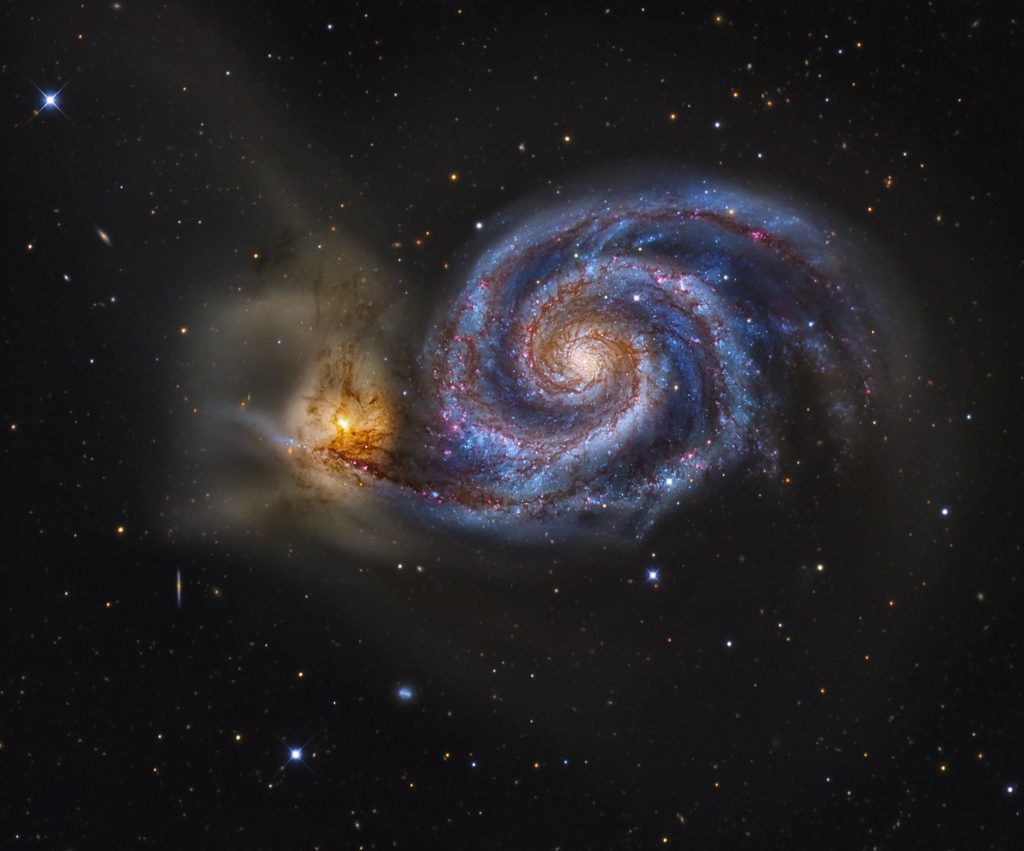
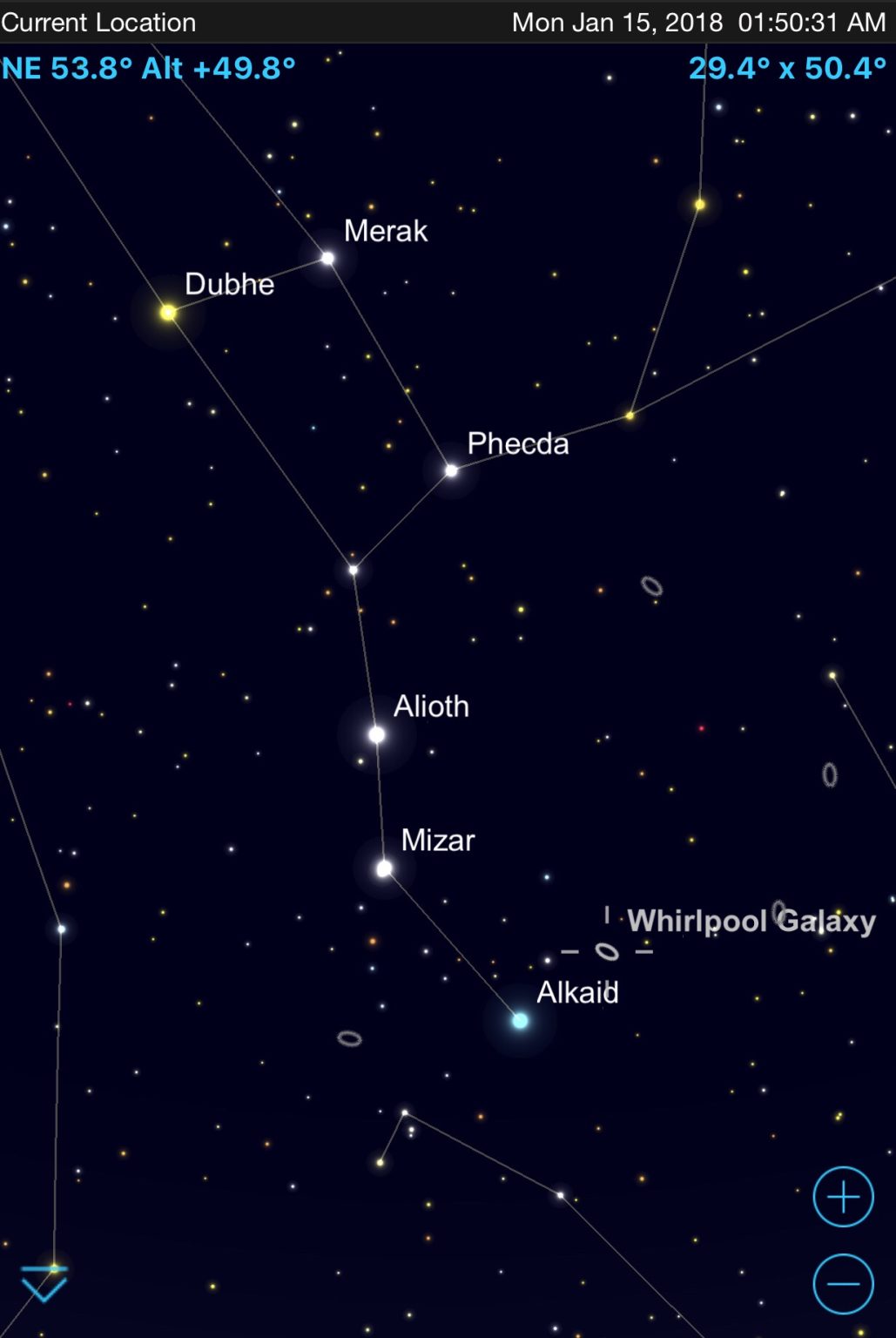
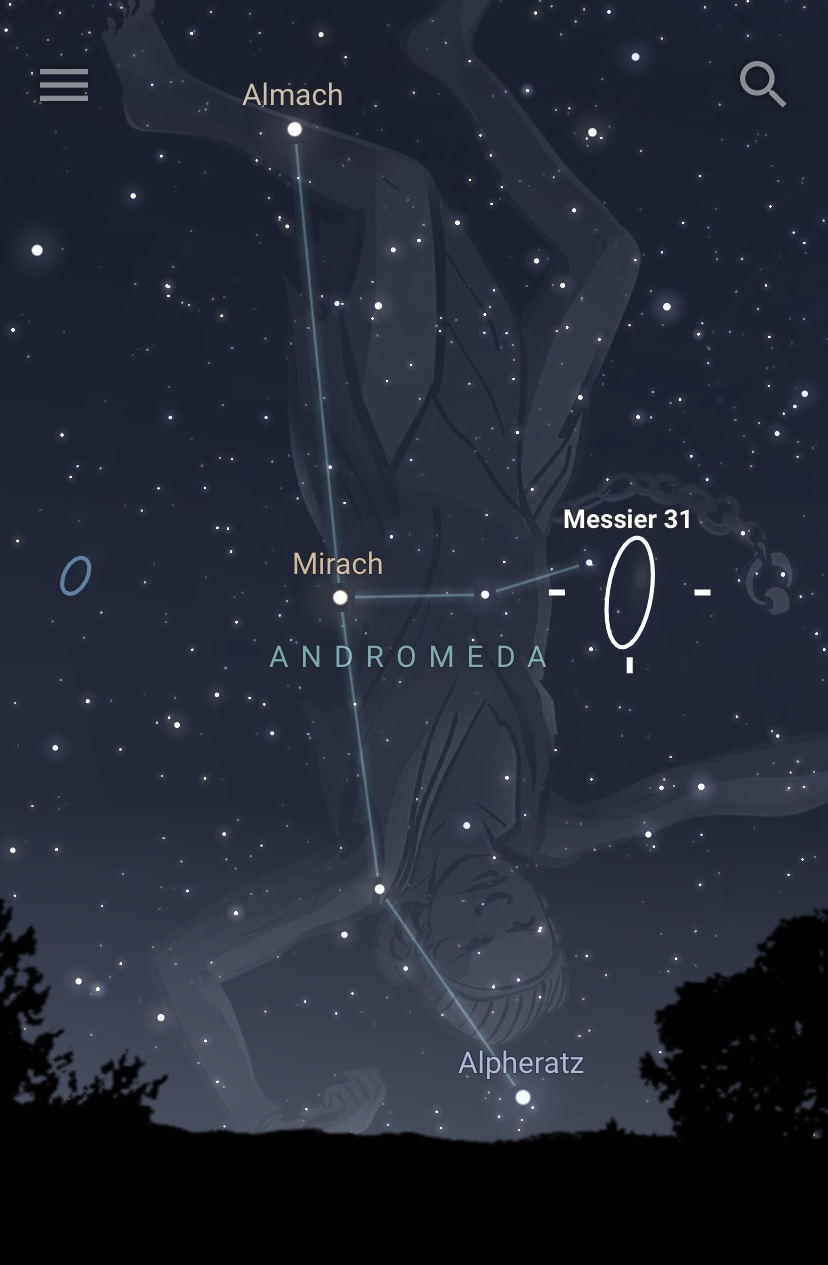
- LOCATION: Andromeda …
- DISTANCE: 2.5 Million LY …
- SIZE: 1 Trillion stars …

How The Andromeda Galaxy Points to God
“The heavens proclaim the glory of God. The skies display his craftsmanship. Day after day they continue to speak; night after night they make him known.” – Psalm 19:1-2 NLT
Andromeda is not only visually beautiful (the word “stunning” is altogether appropriate), it is vast in distance and size. It also has some anomalies that astronomers are baffled about. They are so baffled, they are tempted to say that only a higher being could have created this galaxy and its satellite galaxies. The galaxy group could not even exist if it were dependent solely on random natural development. More below!
About
Apparent magnitude: 3.4. M31 is located approx. 2.5 million light years from earth, making it the nearest galaxy to our own Milky Way. It contains approximately 1 trillion stars, more than double the number in our own galaxy (with 200 to 400 Billion). M31 is 220,000 light years across.
Location
Andromeda Links
| Wikipedia | Takes you to their article on Andromeda. |
| Herschel | Herschel Telescope’s page (includes textual data, downloads, visualizations, great images, and more. |
| Hubble | Hubble’s High Def panoramic view. The sharpest image ever taken of Andromeda. |
| Subaru 8.2 meter | A stunning photograph taken with Japan’s Subaru Telescope with their high-resolution imaging camera, the Hyper-Suprime Cam (HSC). Very different from the others! The HSC will take a census of every galaxy it can find, and will record galaxy shapes for a study on how galiaxies bend light through their gravitational pull. |
| Keck Observatory | Astronomers using the cluster of Keck Observatory telescopes on Mauna Kea were astounded to find a group of dwarf galaxies moving in unison around Andromeda. The small galaxies lie on the same plane, similar to the planets of the Solar System. Unexpectedly, they orbit the Andromeda galaxy en masse and in unison, presenting a serious challenge to their ideas for the formation and origin of all galaxies*. |
* Note on Keck discovery: This baffles astronomers. “This was completely unexpected – the chance of this happening randomly is next to nothing.” – Professor Lewis. And … PhD student, Anthony Conn, whose research proved key to this study said, “It is very exciting for my work to reveal such a strange structure. It has left us scratching our heads as to what it means.”
“The chance of this happening randomly is next to nothing”
Students of the bible don’t need to scratch their heads. The universe is by Divine design, created for God’s own pleasure and glory, and for our enjoyment.
“It has left us scratching our heads.”
“There have been similar claims of an extensive plane of dwarf galaxies about our own Milky Way Galaxy, with some claiming that the existence of such strange structures points to a failing in our understanding of the fundamental nature of the Universe,” states the original press release.
“A failing in our understanding of the fundamental nature of the Universe.
A mystery to some. For believers it is not a mystery but further evidence of the order God has built into the Cosmos.
Photos
[pgc_simply_gallery id=”3105″]
Images courtesy of:
- #1 Subaru (Courtesy of “NAOJ” “National Astronomical Observatory of Japan”)
- #2 Andromeda stock photo
- #3 Herschel (Courtesy of ESA “European Space Agency”)
- #4 Hubble’s HD image (Courtesy of NASA “National Aeronautics and Space Administration”)
All images are © copyright their respective holders. Used by general permission per their respective websites. Images may not be used for business use or for uses not intended by the copyright holders. In most cases images may not be cropped or modified.